
Track Day Prep: Brake Fluid, Pads & a Proper Safety Check
Elite Motorworks · Gloucestershire
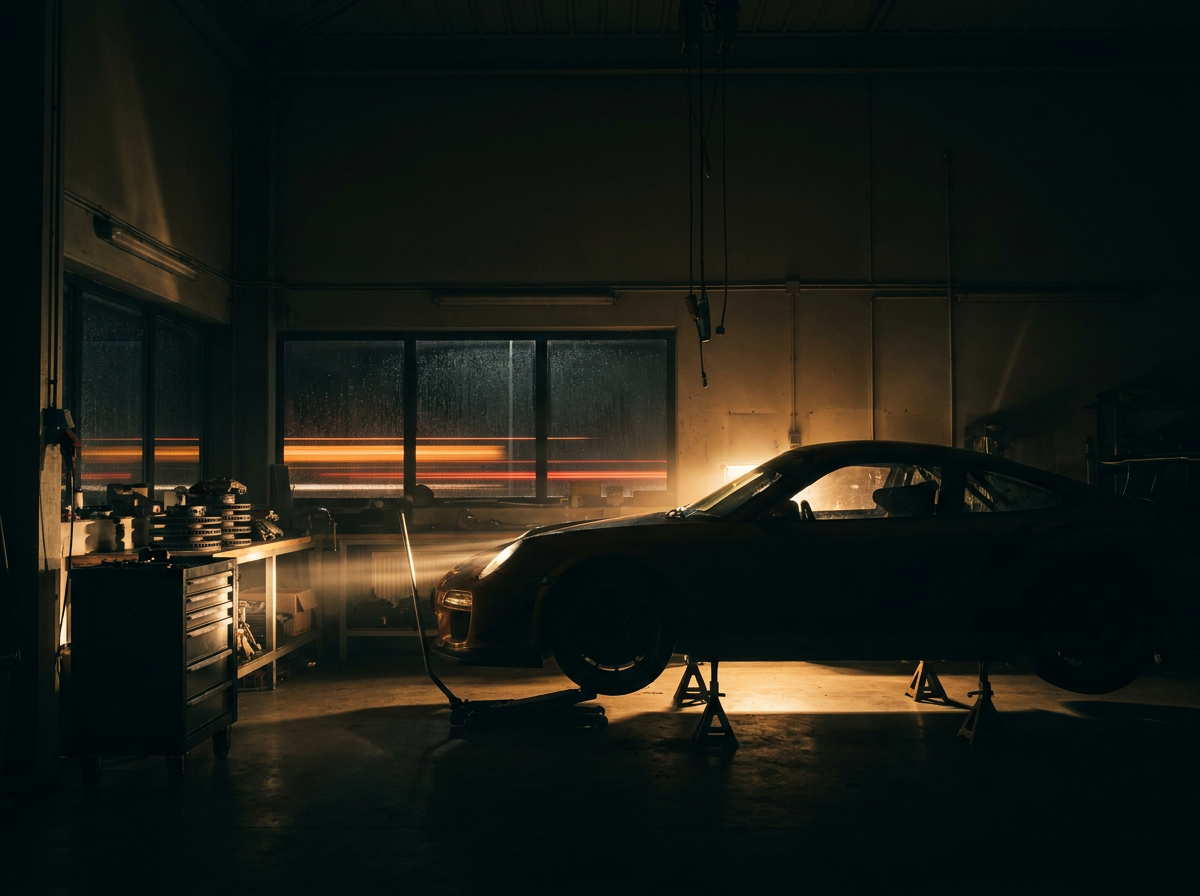
Track days are addictive. The first time you feel a car properly loaded up through a fast corner, you understand why people get hooked. But track driving is hard on a car — and the number one place people get caught out is the brakes.
This post is a motorsport-inspired workshop diary — a straight, practical guide to what we check and why it matters. Whether you're prepping a hot hatch, a performance saloon, or something a bit more special, the principles are the same: safety first, then consistency.
1) Brake Fluid: The Most Overlooked Upgrade
Brake fluid is hygroscopic — it absorbs moisture over time. Moisture lowers the boiling point. On the road you might never notice. On track, you will.
When brake fluid boils, you get a long pedal and fading brakes. That's not "a bit of fade" — that's a safety issue.
What we do
- Check fluid condition and service history.
- Recommend a proper fluid change before track use (not a quick top-up).
- Bleed correctly and check for any weeping nipples or corrosion issues.
2) Pads & Discs: Road Pads Don't Like Track Heat
A lot of people assume "new pads" means "good to go". Not always. Pad compound matters.
Road-focused pads are designed to work from cold, be quiet, and keep dust down. On track, they can overheat and smear material onto the disc, causing vibration and inconsistent braking.
What we check
- Pad thickness and even wear.
- Disc condition (lip, cracking, hotspots, corrosion).
- Caliper movement and slide pins.
What we recommend
- A pad compound that matches your use (road, fast road, track).
- Correct bedding-in procedure — it's not optional.
- Quality parts — brakes aren't the place for bargain-bin components.
3) Tyres, Pressures & Wheel Safety
On track, tyre pressures rise quickly as the tyre heats up. If you start too high, you end up with a tyre that feels greasy and vague.
We also see simple but dangerous issues: cracked tyres, damaged sidewalls, and wheel bolts that haven't been torqued correctly.
Quick checklist
- Tyre condition and age.
- Correct cold pressures as a starting point.
- Wheel bolt torque and hub condition.
- Any play in wheel bearings.
4) Fluids & Leaks: Track Finds Weak Points
A track day will expose small leaks that you might never notice on the road. Oil misting, coolant seepage, power steering leaks — it all gets worse with heat.
We do a proper inspection before you go. It's not about being picky — it's about preventing a breakdown, or worse, dropping fluid on track.
The Takeaway
Motorsport is all about preparation. The fastest cars aren't always the ones with the most power — they're the ones that can do lap after lap without the brakes going away or the temperatures getting out of control.
If you've got a track day coming up and want the car checked properly beforehand, get in touch. We'll give you a straight assessment and tell you what's genuinely worth doing.
Track day coming up?
Book a pre-event safety check and brake inspection. We cover Cheltenham and Gloucestershire.
Get in touch